.png)
Blog
Notes on AI product strategy, workflow design, governance, and building systems that ship.
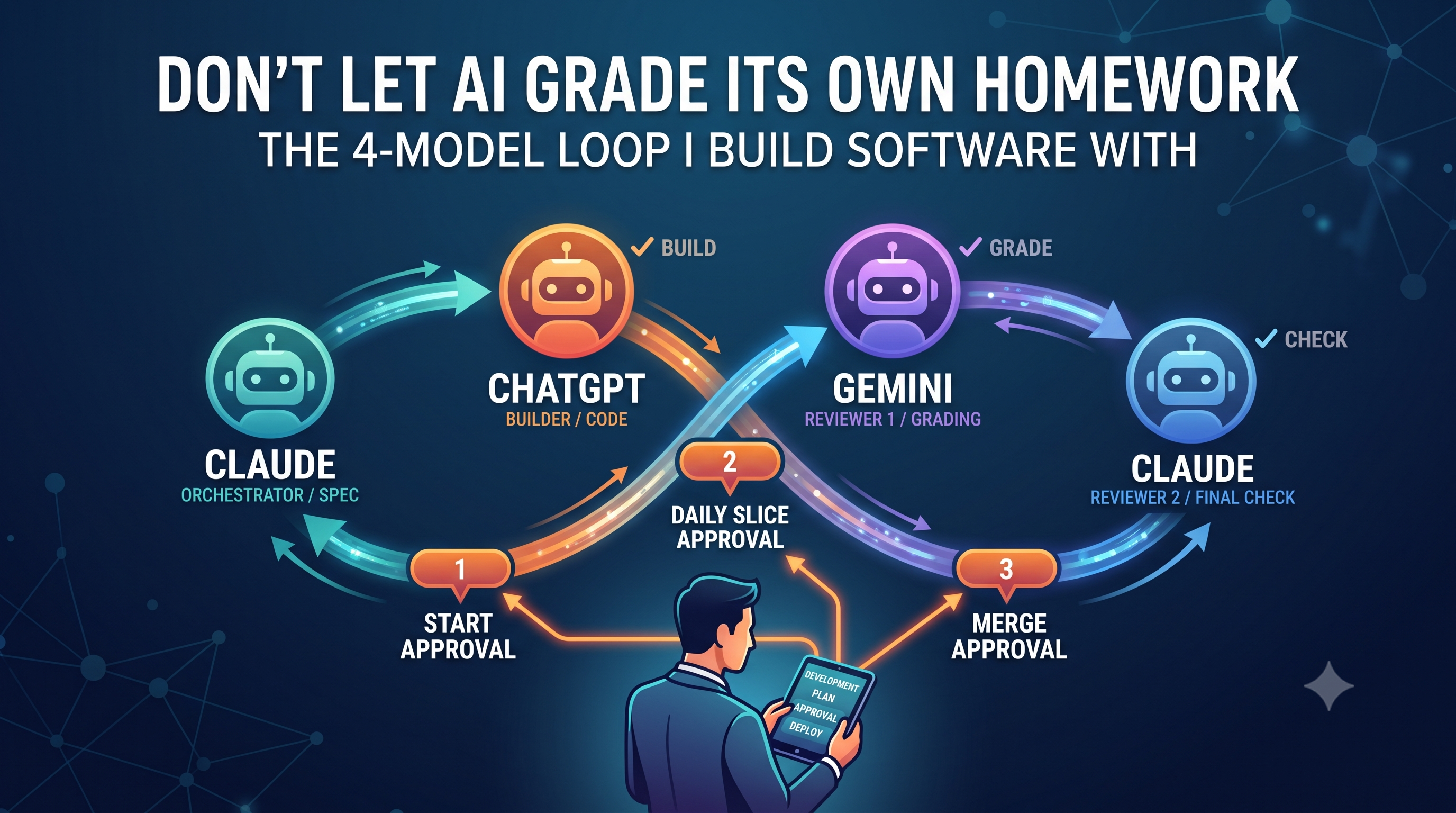
A practical multi-model software loop where Claude orchestrates, ChatGPT builds, Gemini reviews, Claude re-checks, and the human approves at three gates.
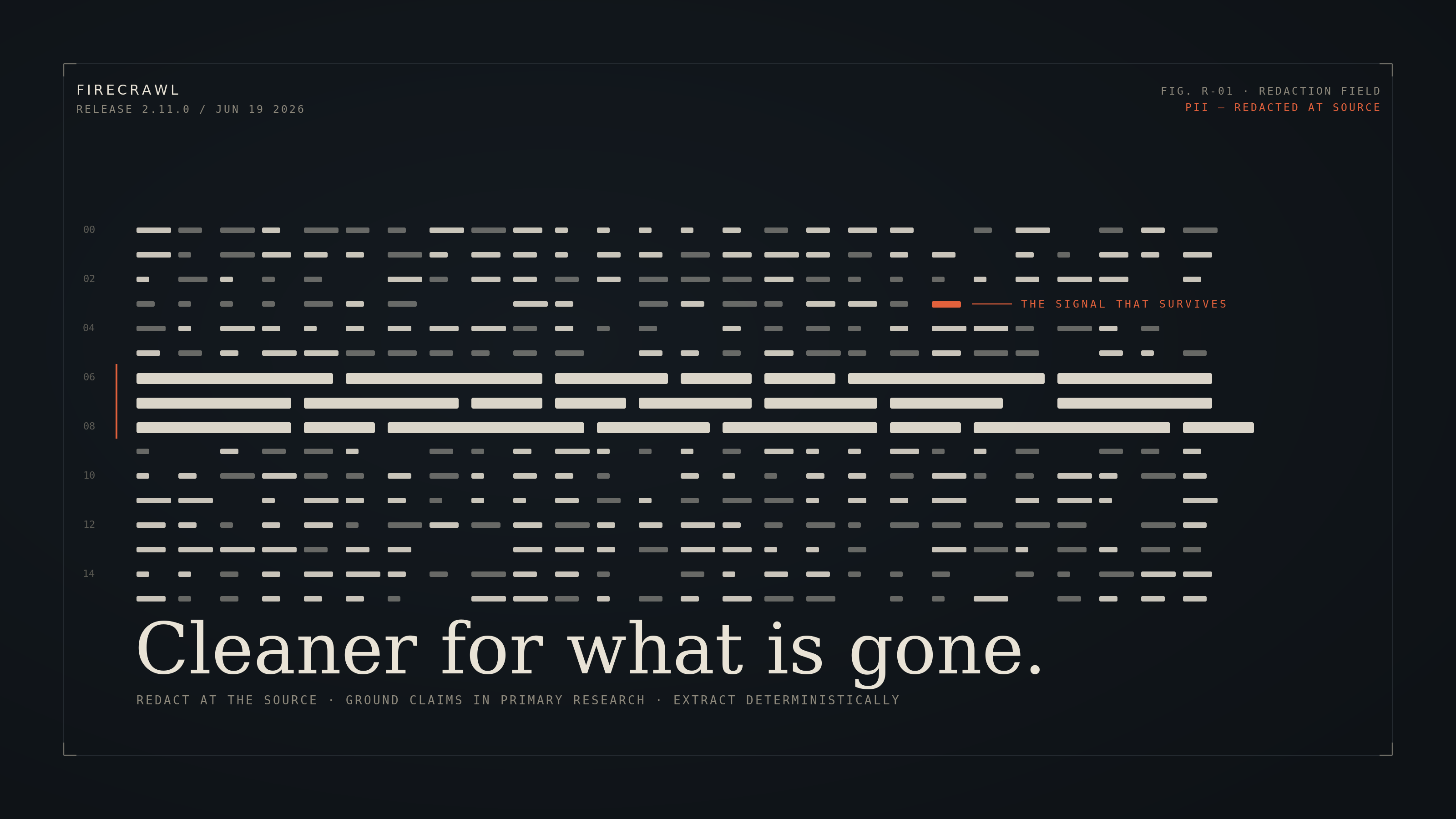
Why Firecrawl's new source-level PII redaction and research index materially change how I would architect evidence-grounded healthcare pipelines.
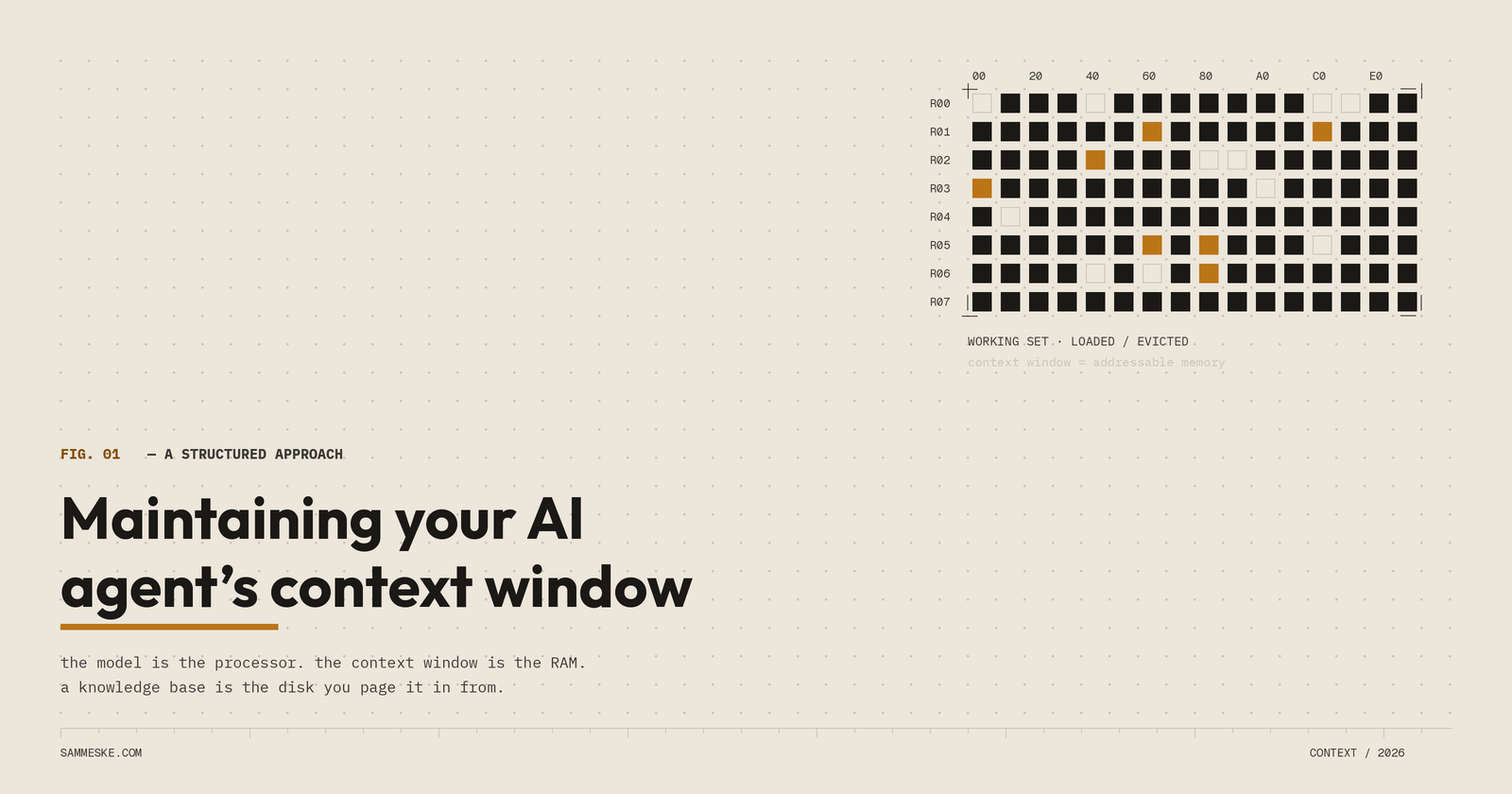
Why context engineering becomes durable only when you treat knowledge as infrastructure: sourced, structured, versioned, audited, and loaded into the model on purpose.
Why AI workflows fail less from bad outputs than from bad activation design, and how precise triggers turn dormant skills into compounding systems.
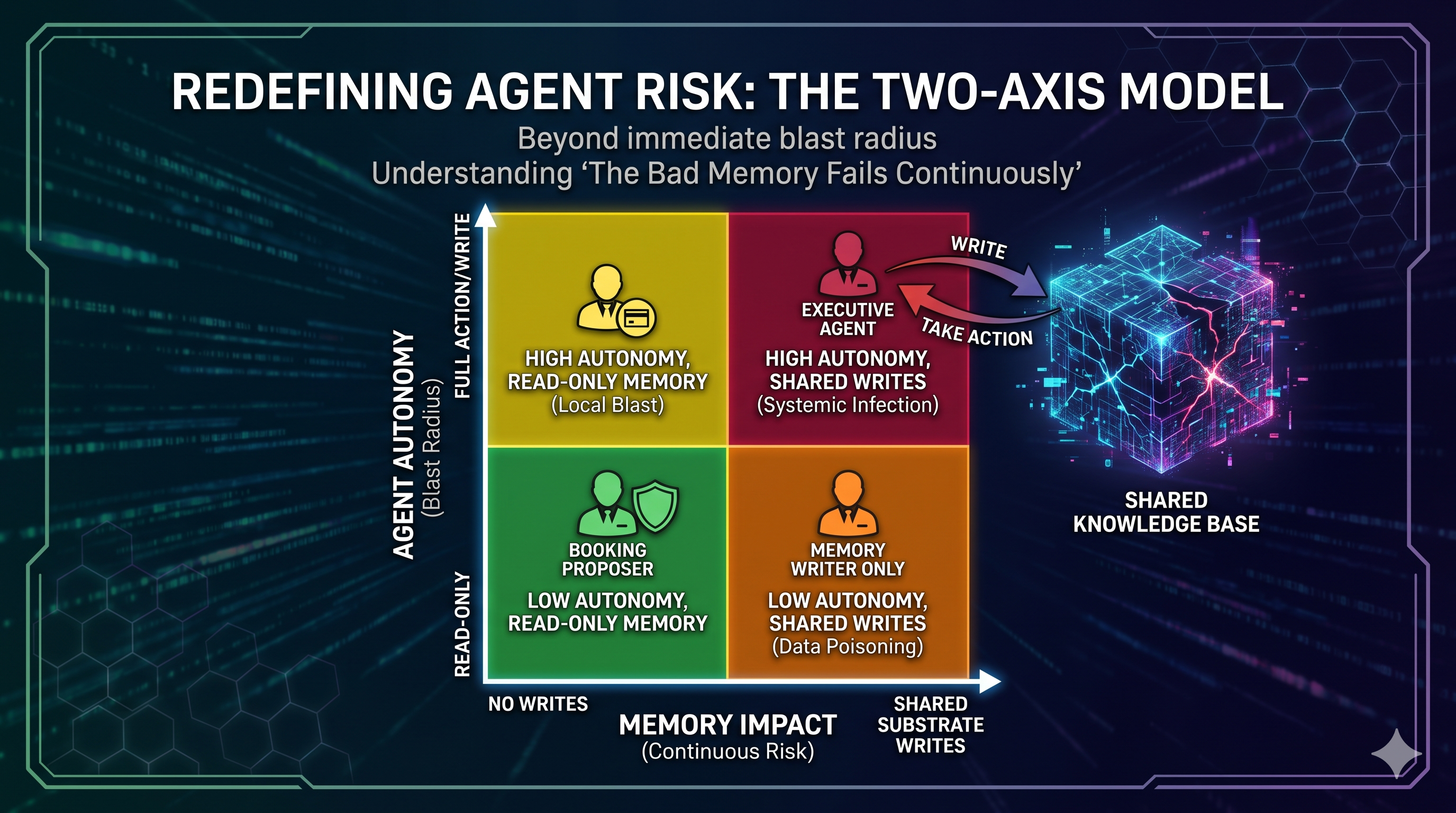
Shared agent memory is the biggest compounding capability in agents this year, and also a new propagation surface that changes how blast radius should be governed.
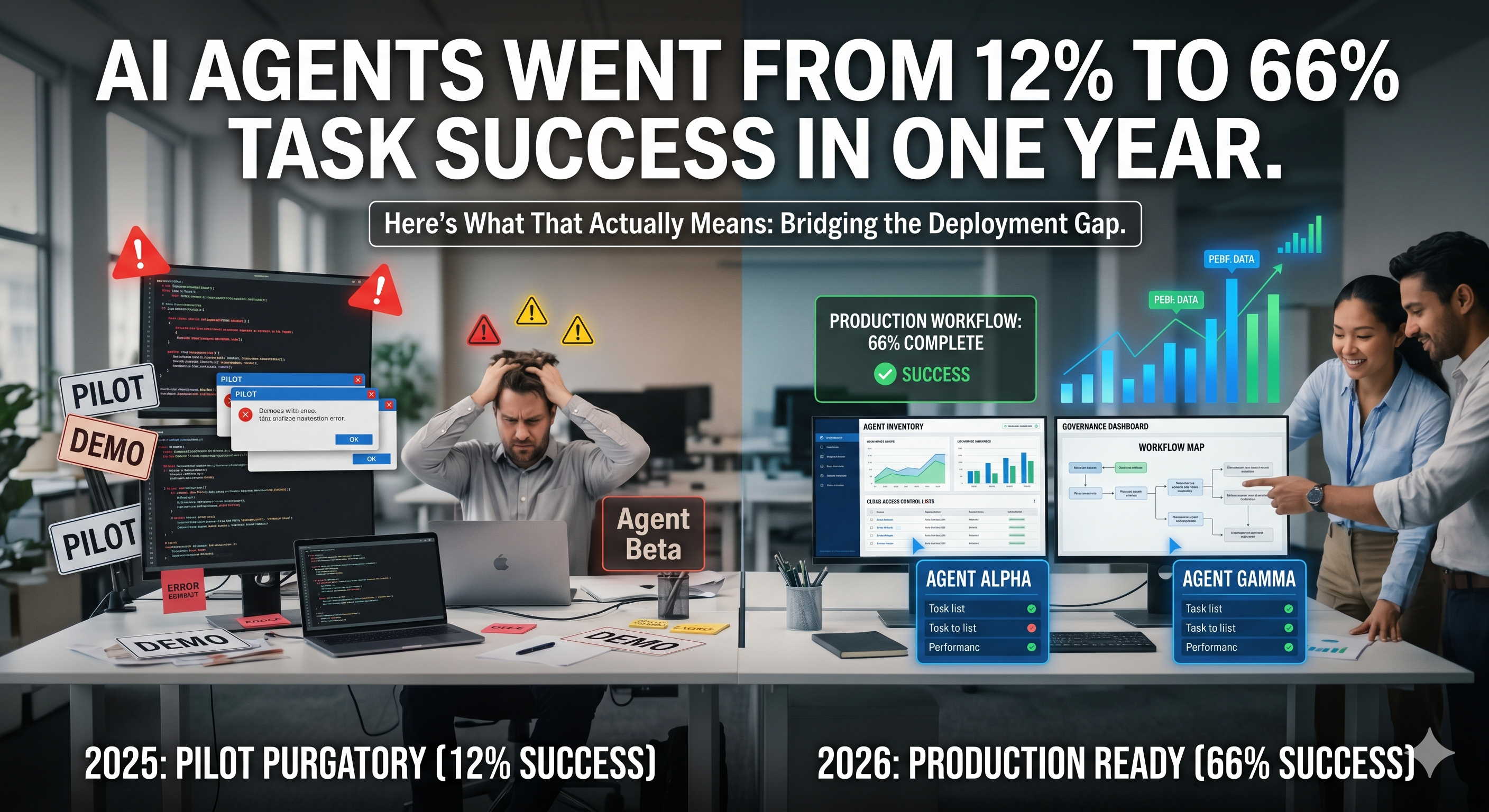
Why the jump in agent benchmark performance matters less than the operational infrastructure required to deploy that capability in production.
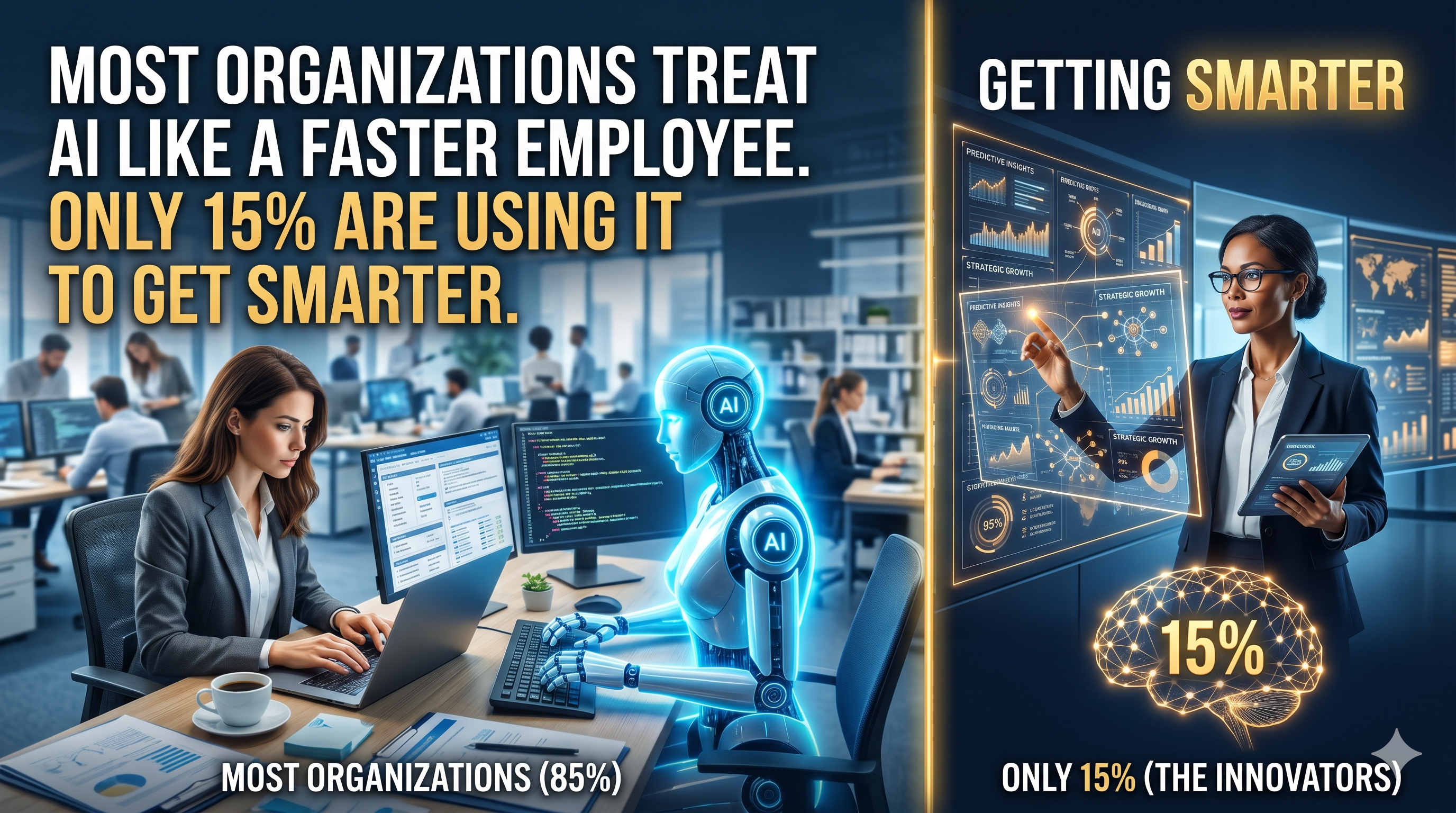
Why most AI rollouts stop at speed gains, and what learning infrastructure organizations need to turn adoption into compounding returns.
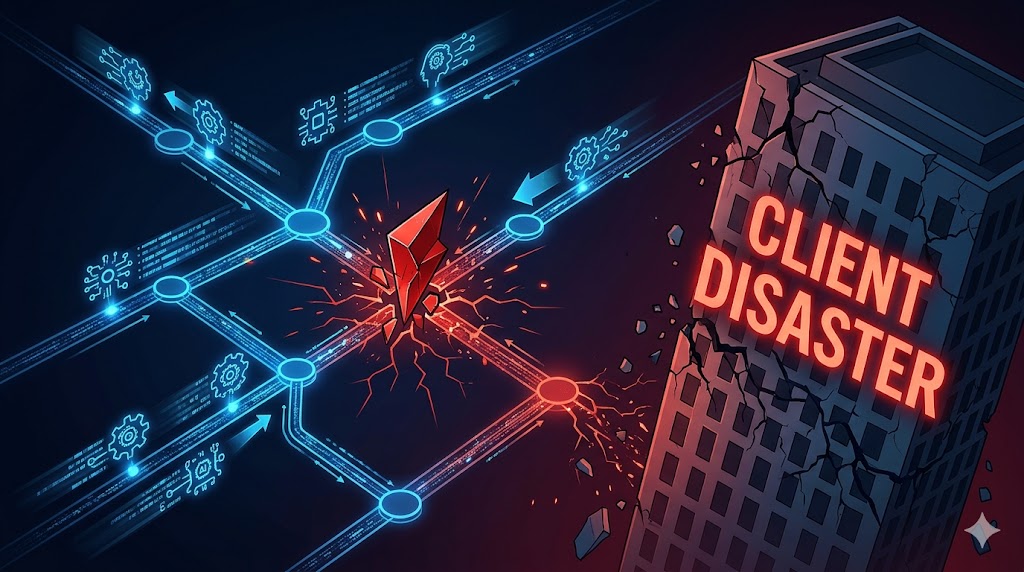
Why agent deployments fail in production, and the seven-part governance layer that keeps autonomous systems from becoming client liabilities.
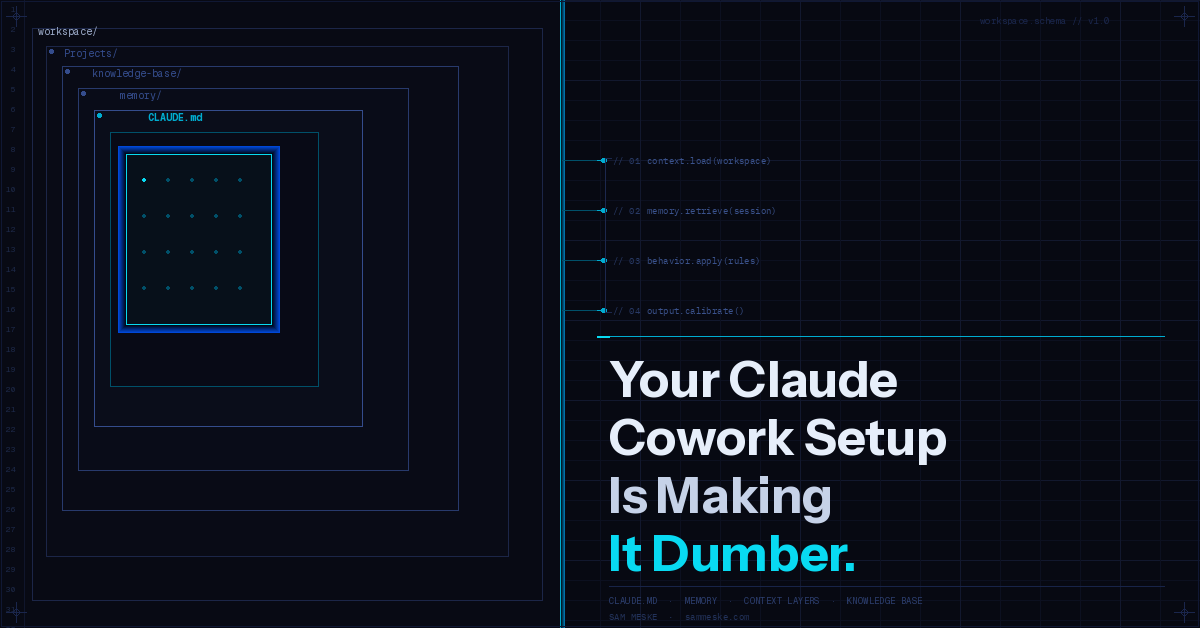
A practical guide to CLAUDE.md, scoped context, memory logs, and knowledge bases so Claude starts each session with real situational awareness.
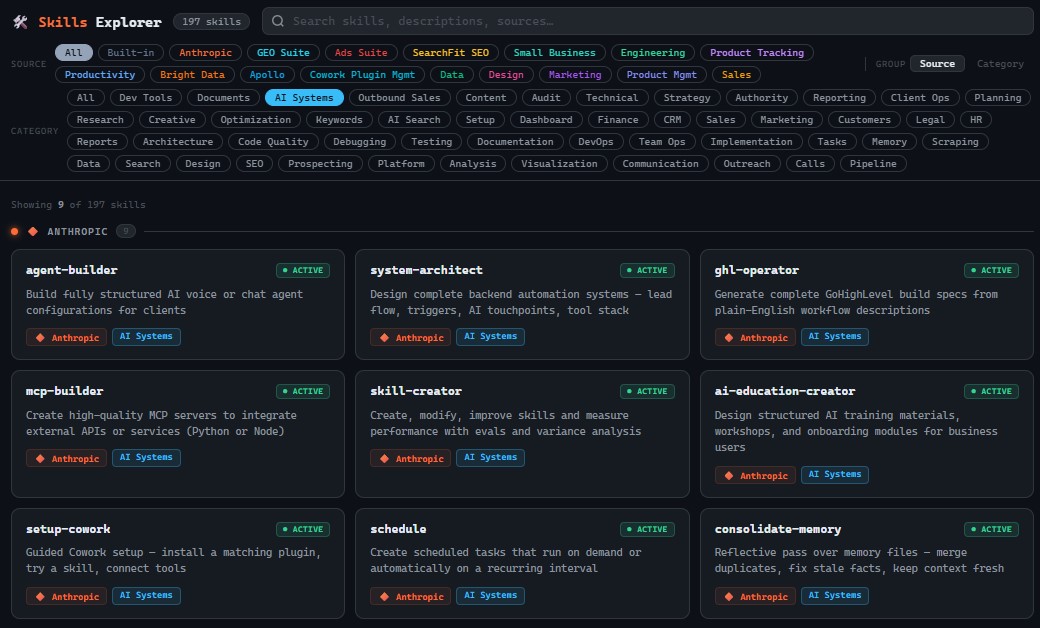
A breakdown of the workflows that actually moved the needle: outbound pipelines, GEO audits, parallel subagents, operational intelligence, memory systems, and disciplined execution.